
Science-driven. Intuition-informed. Root-cause care.
Simple Ways to Improve Your Health
Let’s get started on your personal journey to better health and vitality.
These suggestions are not about perfection, and you do not need to tackle all of them at once. Start with what feels realistic. Each small step you take to improve food quality, reduce inflammation, support sleep, and lower toxic exposures is a step toward better long-term health.
1. Reduce Processed Foods
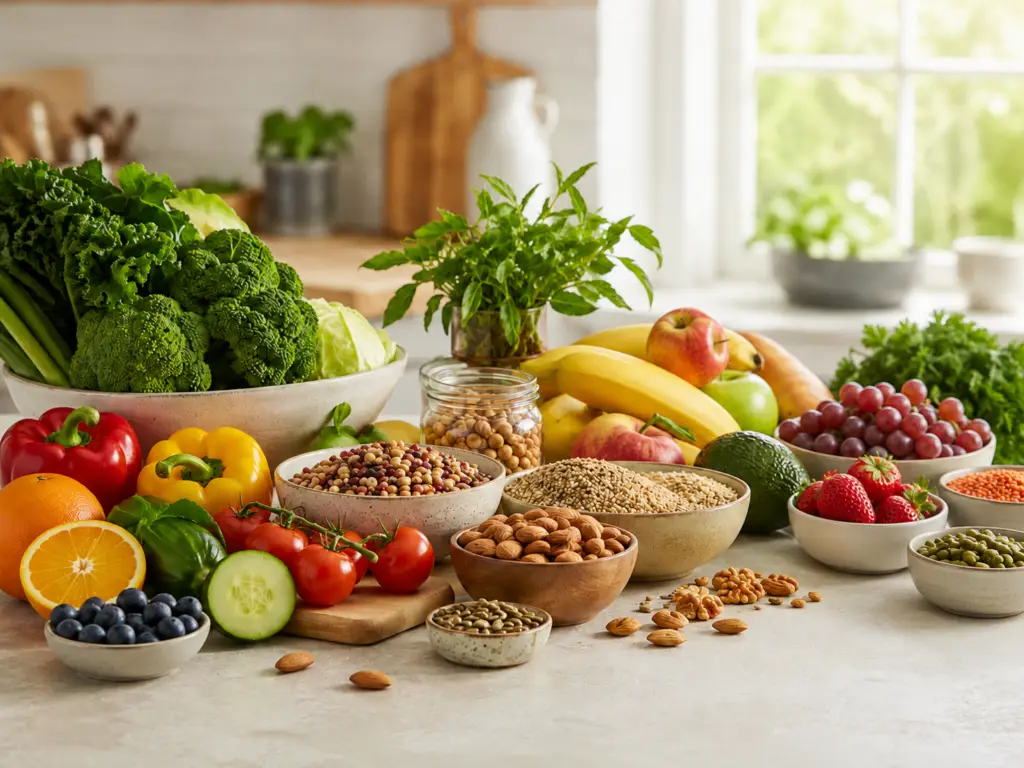
Processed foods often contain oils, additives, preservatives, refined carbohydrates, and sweeteners that may contribute to inflammation, blood sugar dysregulation, and microbiome disruption.
Many processed foods are made with oils that have already been exposed to heat, light, air, and time before they ever reach your plate.
This does not mean perfection is required. The goal is to make whole, minimally processed foods the foundation of your daily eating pattern as often as possible.
Simple starting places:
- Choose foods with fewer ingredients.
- Cook more meals from basic ingredients.
- Replace packaged snacks with nuts, fruit, vegetables, or protein-based options.
- Limit fried packaged foods and shelf-stable baked goods.
2. Use Fresh, High-Quality Oils
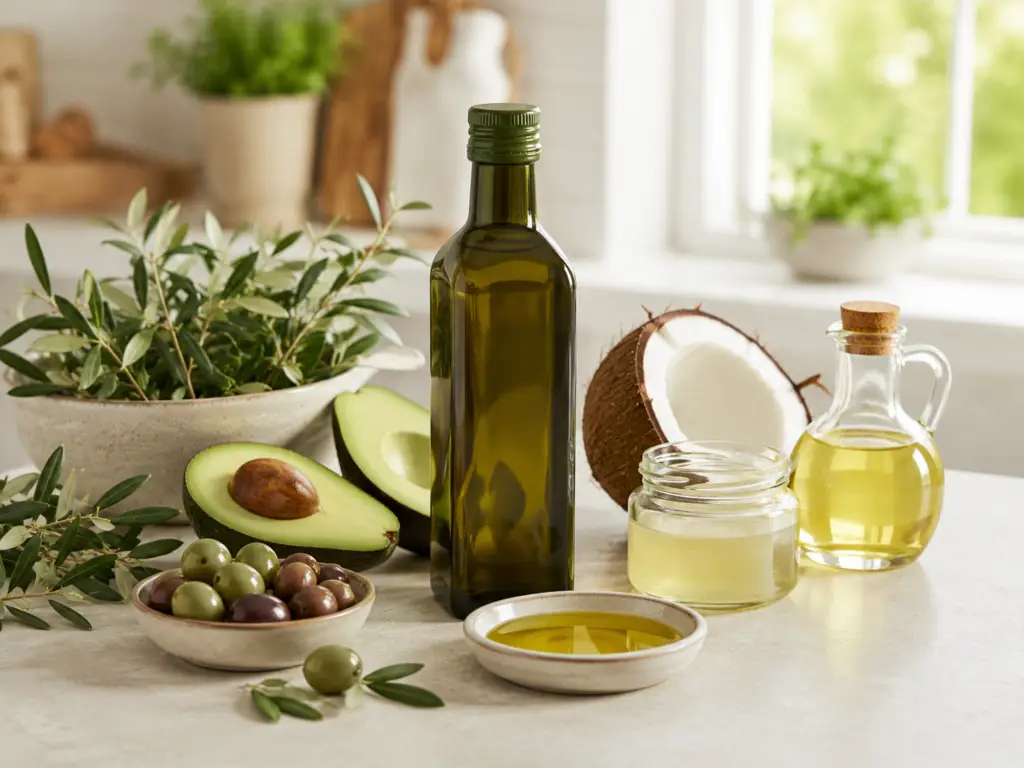
Healthy oils can become unhealthy when they are old, oxidized, exposed to light, or stored in large bottles for too long.
Oil in clear bottles, large containers, or bottles that sit nearly empty for weeks may slowly degrade and become more inflammatory.
Choose oils that are:
- Fresh
- Stored in dark glass or tins
- Clearly labeled with harvest or expiration dates
- Cold-pressed or minimally processed when appropriate
- Used within a reasonable time after opening
Good everyday options include real extra virgin olive oil, avocado oil, and coconut oil, depending on the use.
A high percentage of olive oil sold in the U.S. may not meet the quality expectations people assume from the label, so certification can be helpful.
Certified olive oil resources:
NAOOA Certified Olive Oil List (opens in a new tab)
California Olive Oil Council Certified Oils (opens in a new tab)
3. Choose Higher-Quality Animal Products When Possible
When eating meat, poultry, eggs, or dairy, choose grass-fed, pasture-raised, free-range, or naturally fed sources when possible.
The food an animal eats, how it is raised, and its stress level can all affect the nutrient quality of the final food. Healthier raising conditions may support better fatty acid balance, higher levels of certain nutrients, and lower exposure to unnecessary antibiotics or environmental toxins.
Because toxins can bioaccumulate in animal fat and tissue, sourcing matters.
Also avoid over-charring meat, as high-heat charring can increase inflammatory compounds, carcinogens, and advanced glycation end products.

4. Choose Safer Fish and Avoid High-Mercury Seafood
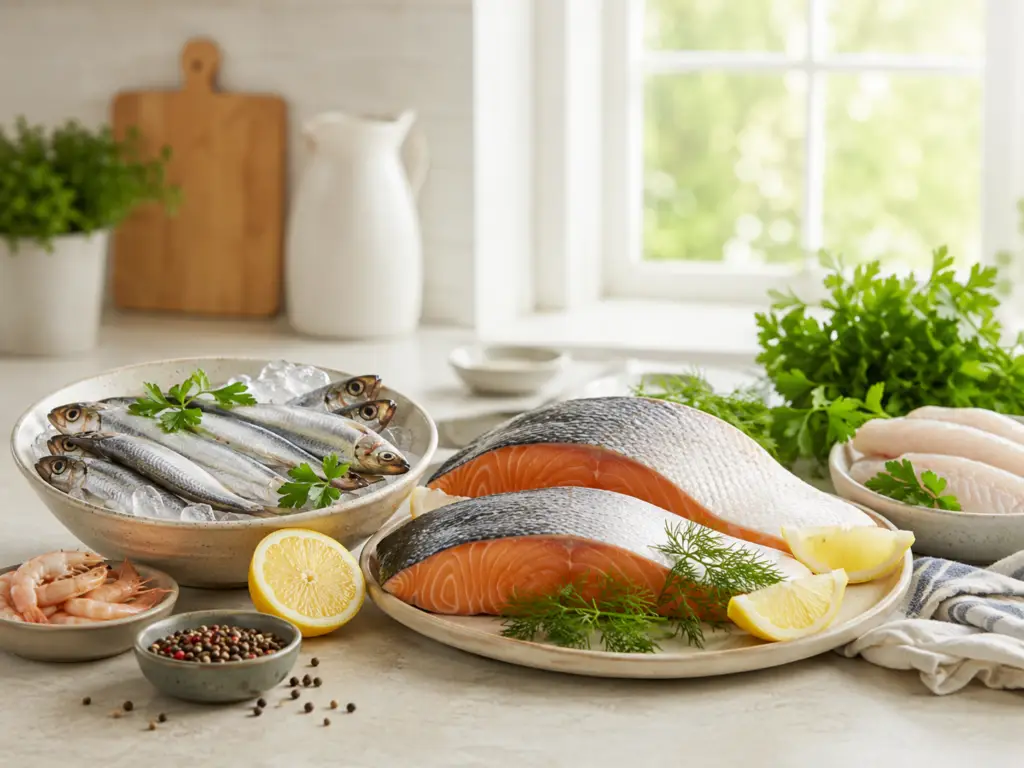
Fish can be a wonderful source of protein, omega-3 fats, and minerals, but some fish contain higher levels of mercury, PCBs, and other contaminants.
In general, choose wild-caught fish when possible and avoid fish known to be high in mercury or environmental pollutants. Be aware that “Scottish salmon” is often marketed in a way that sounds wild, but it is commonly farm-raised.
Helpful resources:
Maryland Fish Consumption Advisories (opens in new tab)
Seafood Watch Recommendations (opens in new tab)
5. Reduce Sugary Drinks and High-Sugar Foods
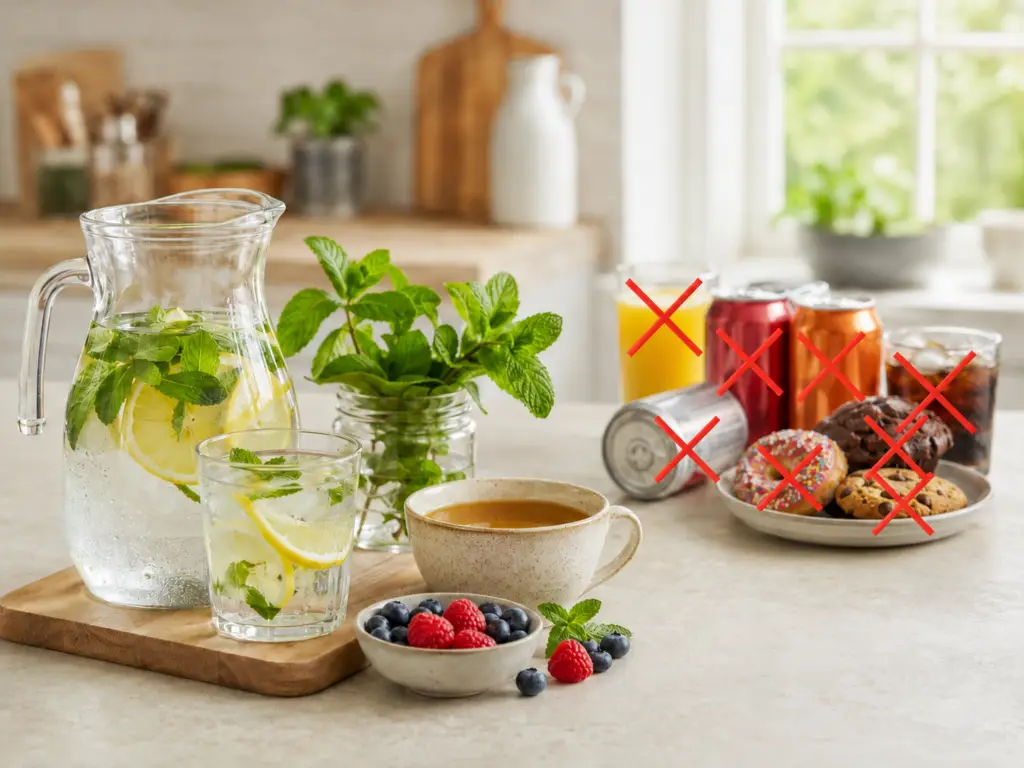
Soda, juice, sweet tea, and other sweetened drinks can create large blood sugar and insulin spikes.
Chronically high sugar intake is linked with inflammation, insulin resistance, diabetes, high blood pressure, cholesterol abnormalities, fatty liver, dental issues, and microbiome disruption.
Even zero-calorie sweeteners may be problematic for some people because they can maintain sweet cravings and may affect insulin signaling, appetite regulation, or the gut microbiome in certain individuals.
Better options include:
- Water
- Mineral water
- Unsweetened herbal tea
- Infused water with lemon, cucumber, mint, or berries
- Electrolytes without added sugar when appropriate
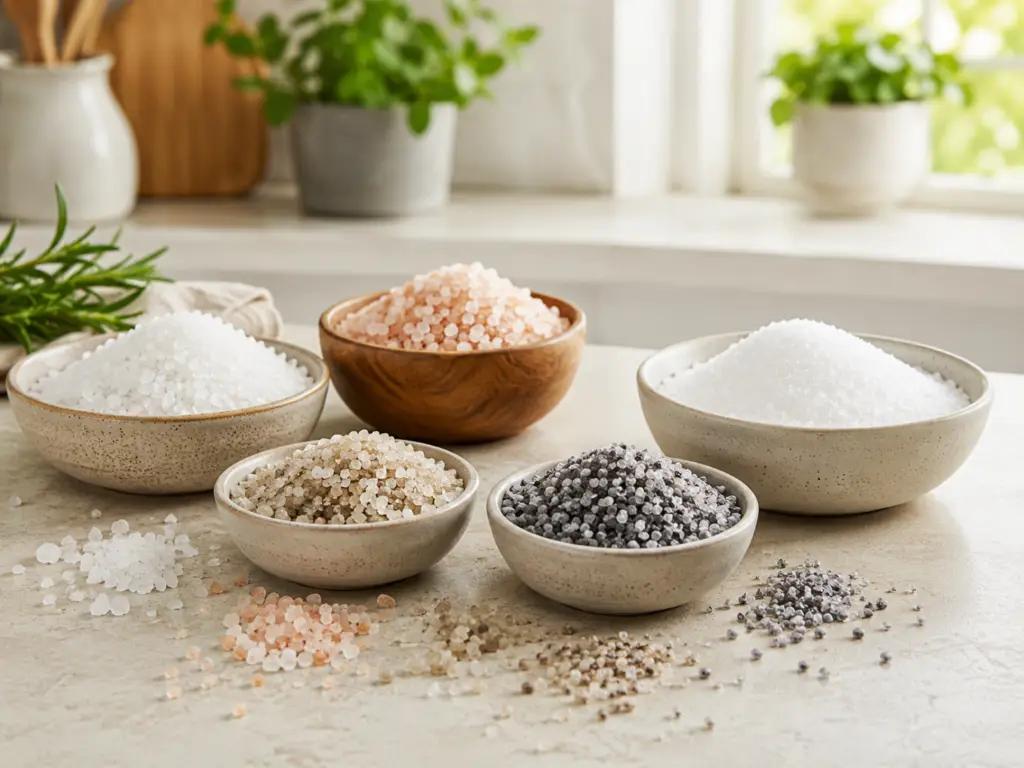
6. Choose Real, Mineral-Rich Salt
Consider using Celtic sea salt or another naturally colored, minimally processed sea salt.
Real, unprocessed sea salt is typically not bright white because it has not been heavily refined. The color and slight moisture often reflect the presence of trace minerals. Processing removes many of the naturally occurring micronutrients found in less refined salts.
Be aware that some “natural” salts may be processed and dyed to appear mineral-rich. A useful clue is taste: unprocessed mineral salts are often less aggressively salty than standard table salt.
7. Protect Your Sleep
Sleep is when the body repairs, rebuilds, regulates hormones, processes stress chemistry, and supports detoxification.
Chronically shortened sleep or poor-quality sleep can contribute to inflammation, insulin resistance, mood changes, immune dysregulation, and poor healing.
Most adults do best with approximately 7.5 to 9 hours of quality sleep per night.
To support better sleep:
- Reduce screen time during the 1–2 hours before bed.
- Dim household lights in the evening.
- Keep the bedroom cool, dark, and quiet.
- Create a consistent bedtime routine.
- Avoid bright light exposure close to bedtime, since light can suppress melatonin production.

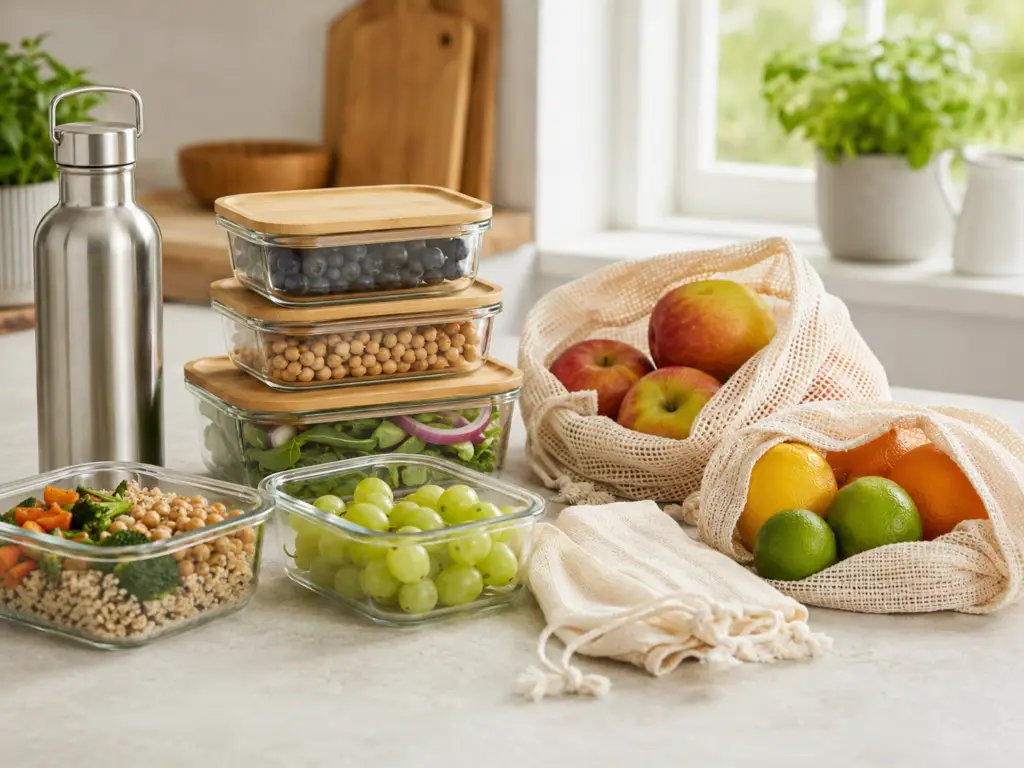
8. Reduce Plastic Exposure Where Possible
Plastics are not chemically inert. Over time, some plastic-related compounds can migrate into food, beverages, dust, air, and personal-care products. This exposure may include microplastics and nanoplastics, as well as plastic-associated chemicals such as BPA, phthalates, and related compounds.
Microplastics and nanoplastics are now being detected throughout the food supply. The FDA notes that they may be present in food primarily from environmental contamination where foods are grown or raised, and exposure may also occur through air, food, and skin contact from some personal-care products. The long-term health effects are still being studied, but because many plastic-associated chemicals are known or suspected endocrine disruptors, reducing unnecessary plastic exposure is a reasonable precaution.
Simple swaps to consider:
- Use glass or stainless steel water bottles.
- Store leftovers in glass containers when possible.
- Avoid microwaving or heating food in plastic.
- Choose fewer ultra-processed and heavily packaged foods.
- Reduce canned foods when possible, since many cans still use plastic-based linings.
- Avoid putting hot food or hot drinks into plastic containers.
- Limit handling of thermal register receipts, which may contain BPA or similar chemicals.
- Choose loose produce or reusable produce bags when practical.
- When replacing kitchen items, consider glass, stainless steel, ceramic, cast iron, wood, or silicone from reputable sources.
The goal is not perfection. Plastic exposure is now widespread, and it is not realistic to avoid it completely. The goal is to reduce the most avoidable daily exposures, especially heat plus plastic, food storage in plastic, heavily packaged foods, and repeated contact with plastic-based products.
FDA: Microplastics and Nanoplastics in Foods (opens in new tab)
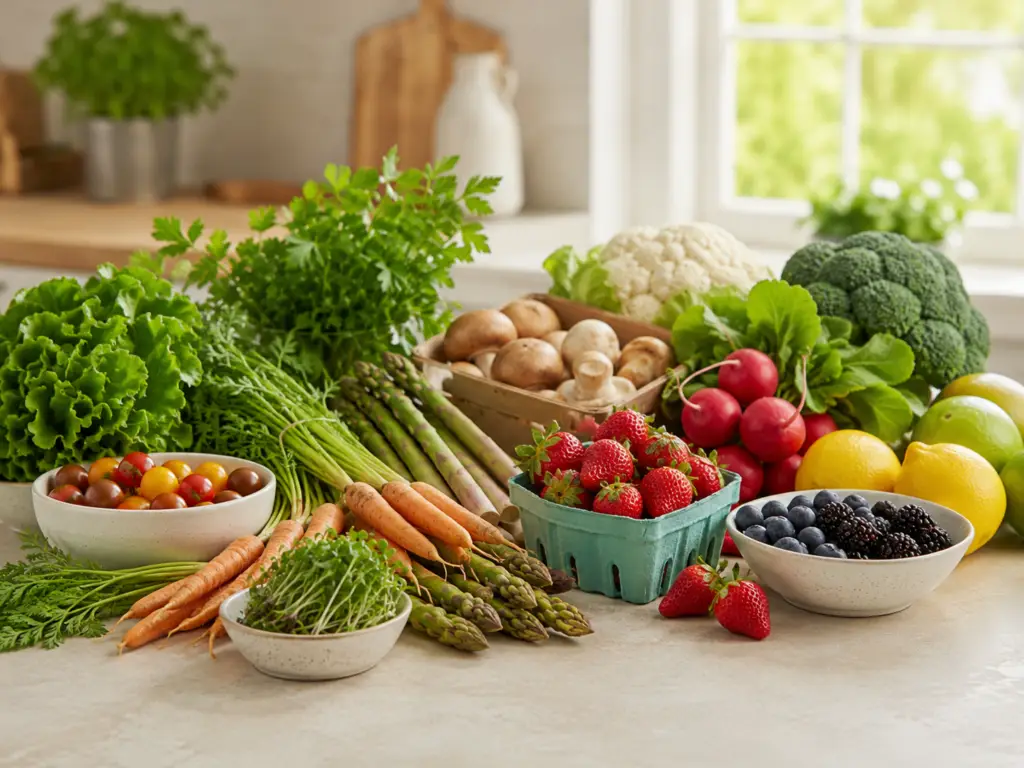
9. Choose Organic and Non-GMO Foods When Possible
Choose organic, minimally processed, and non-GMO foods when possible.
This is not always financially or practically realistic, and that is okay. Even reducing exposure where you can may make a meaningful difference.
Many conventional farming practices rely heavily on pesticides and herbicides. Some of these chemicals are being studied for possible effects on the microbiome, hormones, immune function, neurologic health, and chronic disease risk.
A practical strategy is to prioritize organic versions of foods most likely to carry pesticide residues.
Helpful resource:
EWG Shopper’s Guide to Pesticides in Produce: (opens in new tab)

10. Avoid PFOA, PFAS, and Nonstick Chemical Exposures
Perfluorooctanoic acid, also known as PFOA, is part of a larger class of chemicals often referred to as PFAS or “forever chemicals.”
These compounds have been used in nonstick cookware, stain-resistant coatings, water-resistant products, and some food packaging.
To reduce exposure:
- Avoid old or damaged nonstick cookware.
- Use stainless steel, cast iron, ceramic, or glass cookware when possible.
- Avoid microwave popcorn bags unless clearly PFAS-free.
- Reduce greasy takeout packaging when possible.
- Avoid stain-resistant sprays and coatings when you do not need them.
11. Reduce Endocrine Disruptors in Skin Care and Household Products
Many personal care, cleaning, and hygiene products contain ingredients that may act as endocrine disruptors, irritants, carcinogens, or petroleum-derived inflammatory compounds.
Because these products are used directly on the skin, hair, scalp, lips, and mucous membranes, small daily exposures can add up over time.
Consider reviewing:
- Lotion
- Makeup
- Sunscreen
- Shampoo and conditioner
- Deodorant
- Fragrance and perfume
- Cleaning products
- Laundry products
Helpful resource:
EWG Skin Deep Database (opens in new tab)
EWG Tips for Safer Products (opens in new tab)

One Step at a Time…
You do not need to change everything overnight.
The goal is not perfection.
The goal is to begin noticing where your daily habits, foods, products, and environment may be adding stress to your body and then make small, sustainable changes over time.
Each step you take toward cleaner food, safer products, better sleep, and lower toxic burden gives your body more room to heal.